Volume 15
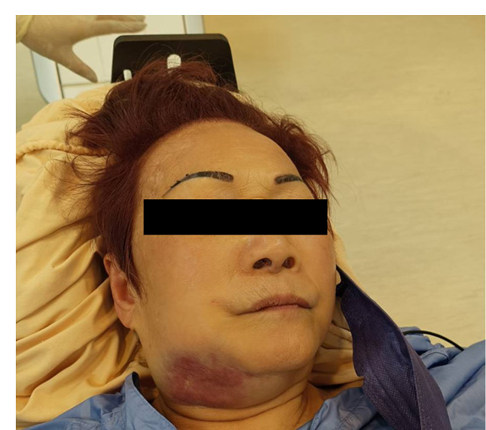
Intravenous Recombinant Tissue Plasminogen Activator (Rt-PA) Induced Life-Threatening Angioedema
1. Abstract An 85-year-old woman with a prior cerebrovascular accident presented with sudden right-sided weakness and aphasia (NI HSS 15). She received intravenous recombinant tissue plasminogen activator (rt-PA) followed by successful mechani.
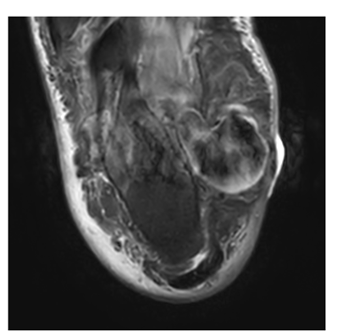
Mycotic Posterior Tibial Artery Aneurysm in a Patient with Diabetes: A Case Report
1. Abstract We report the case of a 66-year-old Caucasian man with type 2 diabetes presented with right foot swelling and redness. He was initially managed with intravenous antibiotics for presumed cellulitis; however, there was no clinical improvement.
Mycotic Posterior Tibial Artery Aneurysm in a Patient with Diabetes: A Case Report Read More »
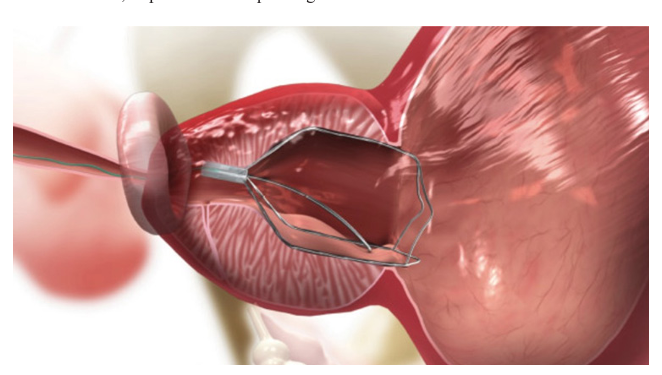
Expanding the Role of iTind®: First Clinical Experience in Treating Bladder Neck Contracture Following TURP
1. Abstract 1.1. Background To present the first documented cases of using the iTind® device as a novel, minimally invasive treatment for recurrent bladder neck contracture (BNC) following transurethral resection of the prostate (TURP), and to assess its feasibility, safety, and early outcomes.
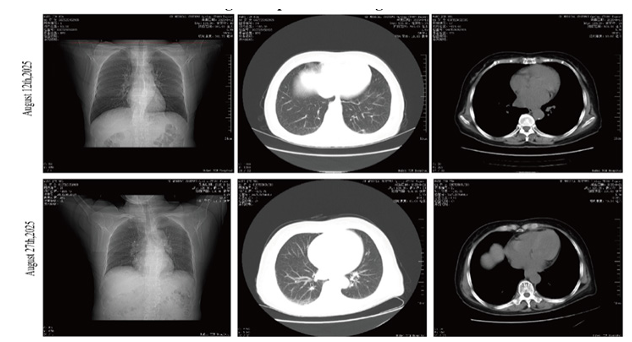
ANCA-Associated Vasculitis Masquerading as Refractory Pneumonia: A Diagnostic Challenge and Lessons Learned
1. Abstract We present the case of a 66-year-old woman hospitalized for a 7-day history of cough, pro-ductile sputum, chills, and fever, initially managed as community-acquired pneumonia.
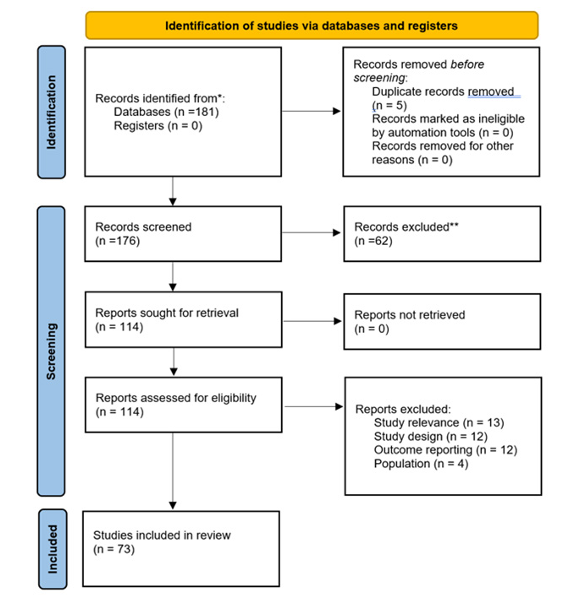
Mapping the Impact of Postoperative Malabsorption on Chronic Wound Healing: A Scoping Review of Evidence Following Gastrointestinal Resection
1. Introduction Chronic wounds are a result of many causes including traumatic, pressure, surgical, and vascular wounds as well as infections, diabetes, medications and nutritional deficiencies [1].
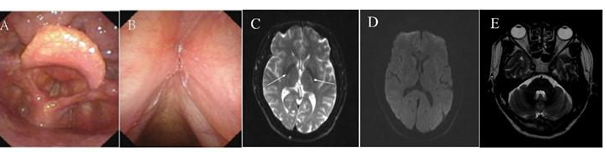
Late-onset Cerebrotendinous Xanthomatosis with Mild Symptoms: A Case Report
1. Abstract Cerebrotendinous xanthomatosis (CTX) typically presents with infantile diarrhea, juvenile cataracts, and tendon xanthomas. We report a diagnostically challenging case of late-onset CTX in a 48-year-old male presenting with isolated progressive
Late-onset Cerebrotendinous Xanthomatosis with Mild Symptoms: A Case Report Read More »
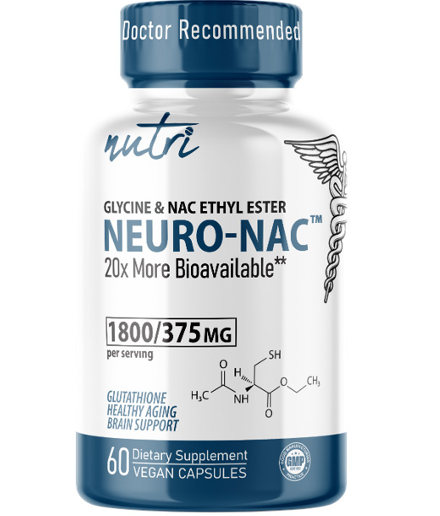
Impact of a Glycine and N-Acetyl Cysteine Ethyl Ester Complex on Antioxidant and Inflammation Status and Related Quality of Life Parameters in Healthy Adult
1. Abstract 1.1. Aim This pilot investigation aimed to assess the impact of a proprietary glycine and N-acetyl cysteine (NAC) ethyl ester complex on quality-of-life (QOL) measures as well as blood levels of antioxidant, inflammatory and toxicant status. Recent evidence.

Bipolar TURIS Resection of Large Prostates: The Experience of our Team
1. Abstract Bi polar TURIS resection of the prostate is a well-established method, used over the past two decades for the surgical therapy of benign prostate hyperplasia. According to the EAU guidelines it is best to be applied.
Bipolar TURIS Resection of Large Prostates: The Experience of our Team Read More »