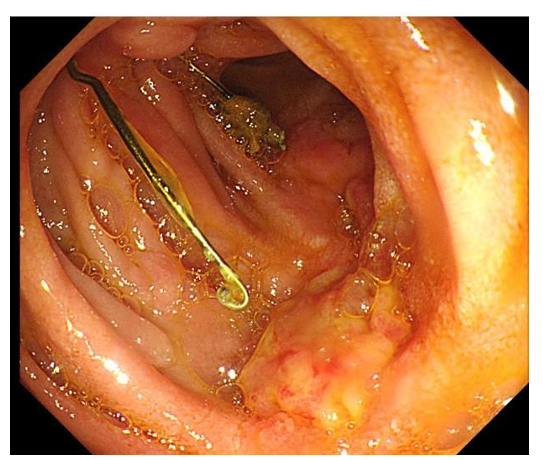
Atypical Esophageal Perforation: Clinical Vigilance and Nutritional Management – Case Report
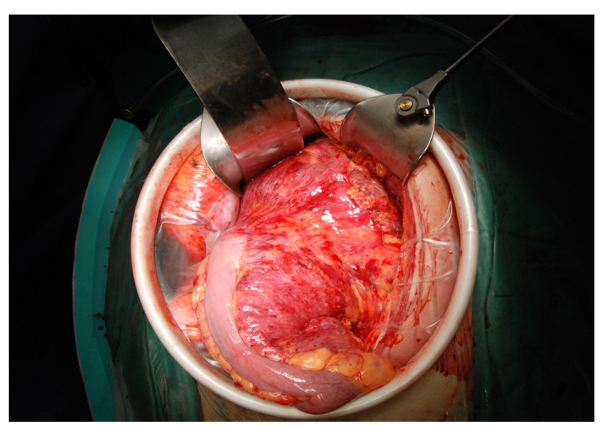
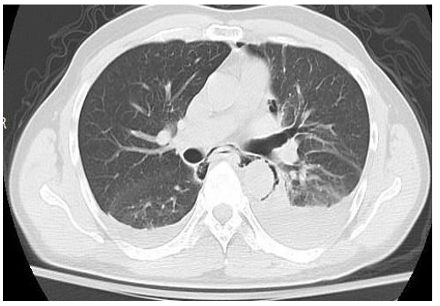
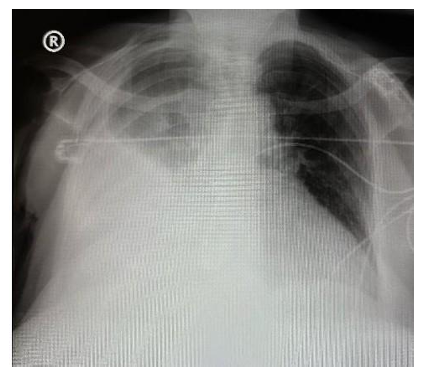
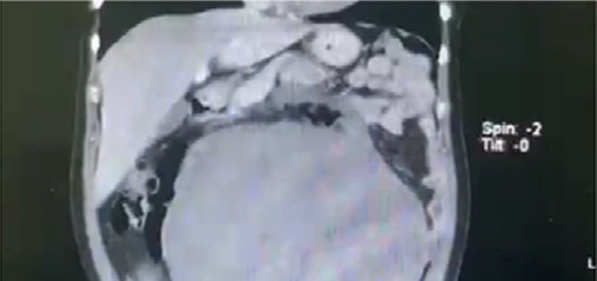
1. Abstract Boerhaave syndrome is a rare, life-threatening condition. Symptoms are often atypical, so early diagnosis is crucial for prompt treatment.
1. Abstract 1.1. Background Salmonella is a genus of bacteria that is primarily recognized for causing foodborne illnesses and gastrointestinal infections. However, cases involving empyema attributed to Salmonella remain quite rare, with only a handful of cases reported in the medical literature.
1. Abstract 1.1. Introduction Myomatous-erythrocytic syndrome is an exceptionally rare clinical entity characterized by the coexistence of giant uterine leiomyomas defined as fibroids measuring ≥20 cm and erythrocytosis, marked by an abnormal elevation in red blood cell mass, hemoglobin, and hematocrit.
Giant Uterine Leiomyoma Associated with Erythrocytosis: First Reported Case in Peru Read More »
1. Introduction Activated natural killer cell immunotherapy (ANK therapy) is a treatment in which NK cells are extracted from the patient’s own blood, expanded, activated, and then returned to the body.
1. Abstract Familial partial lipodystrophy (FPLD) is a heterogeneous group of rare genetic disorders (estimated prevalence <1/100,000) characterized by a lipodystrophy phenotype combined with metabolic abnormalities such as insulin resistance and hypertriglyceridemia. Several subtypes have been described
1. Abstract Hypertrophic obstructive cardiomyopathy (HOCM) is a genetically driven cardiac condition most often involving asymmetric septal hypertrophy. Mid-ventricular and apical variants are rare, accounting for less than 5% of cases in Western populations, and present unique diagnostic and prognostic challenges.
1. Abstract It is said that lifestyle-related diseases and deterioration of beauty caused by aging are caused by active oxygen. In particular, aging was coded in ICD-11, so it was positioned as a disease. In light of this, it can be seen that aging is reversible.
A New Method for Removing Active Oxygen by Generating Hydrogen Gas Using HPI Read More »
1. Abstract A 34-year-old male patient with opioid use disorder (OUD), who was transitioned from daily oral buprenorphine/naloxone therapy.
1. Abstract Tuberous sclerosis complex (TSC) is a rare genetic disorder characterized by the development of benign tumours in various organs, primarily the kidneys. Renal involvement, often in the form of angiomyolipoma’s (AML).
Spontaneous Renal Rupture Revealing Tuberous Sclerosis Complex: A Case Report Read More »
https://doi.org/10.47829/ACMCR.2025.141109 Myasthenia gravis (MG) is an autoimmune disorder in which antibodies block the acetylcholine receptors in the post synaptic membrane causing skeletal muscle weakness.
A Typical Presentation of Myasthenia Gravis: A Clinical Sequelae of Thymoma Read More »